Xerosis: Recognition & Management of Severe Dry Skin


Area
Very Dry SkinIn this article, Flexitol tackles the challenging condition of severe dry skin (xerosis), bringing you expert insights from Amit Saha, Registered Pharmacist and Head of Technical & Innovation at Flexitol.
Key Takeaways:
- More Than Moisturizer: Persistent xerosis may indicate impaired skin barrier function and often requires targeted management beyond standard moisturization. In simple terms, if your skin stays dry no matter how much you moisturize, there may be something deeper going on that needs a more targeted approach.
- Multiple Triggers: Xerosis can be triggered by environmental factors, systemic conditions like diabetes, medication side effects, and underlying dermatological conditions such as atopic dermatitis or psoriasis.
- Know the Signs: Key symptoms include scaling, skin roughness, erythema (redness), pruritus (itching), tightness, and fine fissuring – particularly on the extremities.
- Urea is Key: Standard moisturizers may not be enough. Keratolytic emollient formulations containing Urea improve hydration while facilitating desquamation of hyperkeratotic skin – in other words, they help soften and gently shed the build-up of thickened, rough skin that traps dryness underneath, while locking moisture back in.
What is xerosis?
Xerosis, commonly referred to as severe dry skin, is a frequently encountered dermatological condition that can significantly affect skin integrity, comfort and quality of life. While mild dryness is common, persistent xerosis may indicate impairment of the skin barrier and often requires targeted management beyond routine moisturisation. Think of the skin barrier as a protective seal – when it’s compromised, moisture escapes and irritants get in more easily.
What causes xerosis?
A range of intrinsic and extrinsic factors may contribute to xerosis. Environmental exposure to low humidity, cold climates, excessive bathing and harsh cleansing agents can disrupt epidermal hydration – essentially stripping the skin of its natural moisture faster than it can replenish.
In addition, xerosis may occur secondary to systemic conditions such as diabetes mellitus, where altered sweat gland function and reduced skin hydration are common.
Medication-induced xerosis is also well recognized, particularly with treatments such as systemic retinoids, oncology therapies and other agents associated with reduced sebaceous activity or epidermal turnover. Several dermatological conditions such as atopic dermatitis, psoriasis or keratosis pilaris are commonly associated with xerosis too.
What does xerosis look like?
Clinical presentation may include:
- Diffuse scaling and flaking
- Skin roughness
- Erythema and irritation (redness and inflammation)
- Pruritus (persistent itching)
- Sensations of tightness
- Fine fissuring, particularly affecting the extremities (small cracks or splits in the skin, most commonly on the hands, feet and lower legs)
Early recognition and intervention are important to minimize progression, reduce discomfort and decrease the risk of secondary bacterial infection resulting from impaired skin barrier function. Cracked or broken skin can create an entry point for bacteria, so addressing dryness early is important.
How should xerosis be managed?
Management should focus on restoration of the epidermal barrier and maintenance of skin hydration. Standard cosmetic moisturizers may provide insufficient benefit in moderate to severe xerosis. In these cases, keratolytic emollient formulations containing ingredients such as Urea may assist by improving hydration while helping to shed the build-up of thickened, dead skin cells. This means using a moisturizer that does more than sit on the surface – one that actively deeply hydrates the layers underneath at the same time.
Alongside targeted moisturization, there are a few simple habits that can make a real difference. Swap harsh soaps for a soap-free cleanser, keep showers shorter and lukewarm rather than hot, and apply your moisturizer as soon as you get out of the shower or bath to lock in hydration while your skin is still damp.
Flexitol Very Dry Skin Range
When managing xerosis, targeted topical therapy is key. Flexitol’s Very Dry Skin range offers a complete system designed to restore the skin barrier, improve hydration and address the underlying causes of severe dryness.
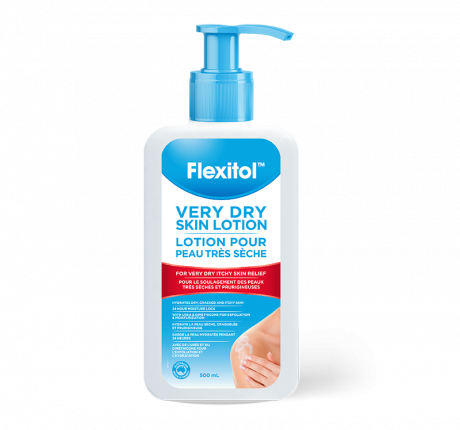
- Very Dry Skin Lotion An ultra-hydrating, light lotion ideal for dry and cracked skin, containing 10% urea, 1% dimethicone and vitamin E. Non-greasy and quick absorbing, it keeps skin feeling hydrated and smooth for 24 hours
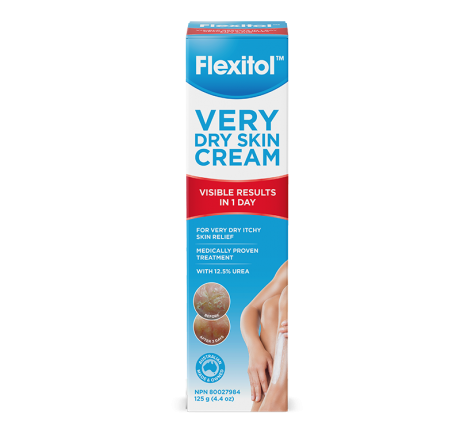
- Very Dry Skin Cream A thick and rich body cream with 12.5% urea and 1% dimethicone, offering a rich blend of emollients for intensive moisturization. Clinically proven to increase skin hydration by 52%, with visible results in 14 days.
Xerosis FAQs
Further Reading:
Explore more expert content from Flexitol: