Skincare for Mature Skin: What’s Changing and How to Look After It



Area
Key takeaways
- Skin naturally loses moisture and firmness with age because of changes to its structure and its ability to hold onto water
- A simple, consistent routine (cleanse, moisturise, SPF) does more for mature skin than a long list of products
- Richness isn’t the same as effectiveness. The right ingredients matter more than how heavy a cream feels
- Ceramides, Hyaluronic Acid, Urea and Peptides all support mature skin in different ways, and most routines benefit from more than one
- Daily SPF is one of the most useful things you can do for skin as you age, not an optional extra
If your skin feels drier, tighter or less bouncy than it used to, you’re not imagining it. These changes are a normal part of getting older, and they happen to everyone’s skin eventually.
Amit Saha, Registered Pharmacist and Head of Technical & Innovation at Flexitol, sees this question constantly from people trying to work out what’s actually going on and what to do about it. Here’s his guide to what changes, why, and how to build a routine that works with mature skin rather than fighting it.
Why does skin change as we get older?
As we age, skin cells renew themselves more slowly, and the skin’s structure changes underneath the surface. This is what leads to the fine lines, loss of firmness and general change in texture that most people notice over time.
“It’s a natural process,” Amit says. “The goal isn’t to reverse it or make mature skin behave like young skin. It’s to support the skin you actually have.”
One of the biggest drivers of these changes isn’t ageing itself. It’s cumulative sun exposure over a lifetime, which speeds up changes to skin texture, tone and firmness well beyond what age alone would cause.
Why does mature skin feel drier than it used to?
Mature skin becomes less efficient at holding onto water. The skin’s outer barrier, the layer that normally keeps moisture in and irritants out, doesn’t work quite as well as it used to.
The result is skin that feels drier, rougher and more easily irritated than it once did. This is also why products that worked fine in your twenties or thirties can start to feel insufficient later on. It’s not that your old moisturiser got worse. Your skin’s needs changed.
Hormonal changes can add another layer here too. If you’re noticing new dryness or sensitivity around perimenopause or menopause specifically, our Menopause Skincare Guide goes into that in more depth and looks at the best skincare ingredients for skin during menopause.
What should a daily skincare routine for mature skin actually include?
“Consistency matters a lot more than complexity,” Amit says. “You don’t need ten steps to look after mature skin properly.”
A straightforward routine covers:
- A gentle cleanser: Something that removes the day without stripping the skin
- A moisturiser suited to your skin’s current needs: Not necessarily the richest one on the shelf
- Daily SPF: Every day, not just on obviously sunny ones
Which ingredients are worth looking for?
Rather than chasing one specific ingredient, it helps to think about what mature skin actually needs.
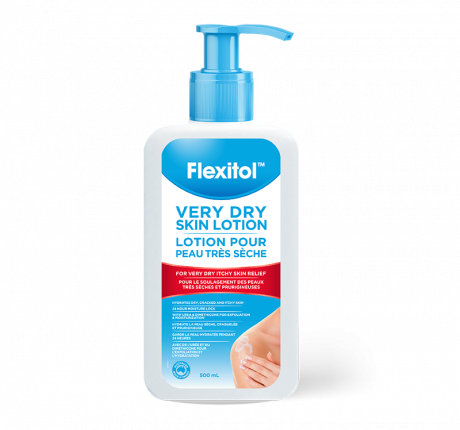
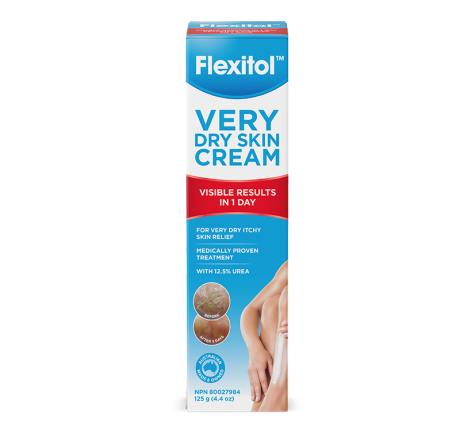
For hydration: Ingredients like Urea and Hyaluronic Acid help pull water into the skin and hold it there. Our Very Dry Skin Cream, formulated with 12.5% Urea, is built around this kind of hydration support for the body.
For barrier support: Ceramides help maintain the skin’s natural barrier, which matters more as that barrier becomes less efficient with age.
For firmness: Peptides are showing increasingly good evidence for supporting skin elasticity and the appearance of fine lines, though how well they work varies between different peptide types and formulations.
For daily protection: None of the above matters much without sun protection. Choose a broad-spectrum SPF you will actually wear every day, and make it part of your morning routine rather than an extra product to remember.
What skincare myths about mature skin should you ignore?
A few come up again and again.
Myth: Mature skin always needs very rich, heavy products. Mature skin needs good hydration, but that doesn’t mean the heaviest cream on the shelf. Mature skin can still be oily, combination or breakout-prone, and a formula that’s too rich for your skin type can cause its own problems.
Myth: More exfoliation is always better. As skin becomes more prone to dryness and irritation, aggressive exfoliation can do more harm than good. Gentle and consistent beats frequent and harsh.
Myth: Mature skin needs to be “fixed.” Ageing is a normal process, not a problem to solve. A good routine supports healthy skin function and comfort rather than trying to turn back the clock.
When is it worth speaking to a pharmacist or doctor?
Most of the changes described here are a normal part of ageing and respond well to a consistent routine. It’s worth checking in with your pharmacist, doctor or dermatologist if you notice sudden changes, skin that’s persistently sore or inflamed, or irritation that doesn’t settle with your usual products.
Our range for mature skin
Flexitol’s mature skin range is formulated and reviewed in-house by our pharmacist team.
- Very Dry Skin Cream: Intensive hydration with 12.5% Urea for skin that’s become drier with age
If you’re managing a specific condition alongside general skin ageing, such as eczema, psoriasis or menopause-related changes, our Knowledge Hub has dedicated guides for each.
Mature skin doesn’t need to be complicated to look after well. A simple routine, the right ingredients for what your skin actually needs, and daily SPF will do more than a long list of products ever could.
Skincare for Mature Skin FAQs
Does ageing skin really need a different moisturiser?
Yes. As skin matures, its barrier holds onto moisture less efficiently, so it often needs more targeted hydration than it did in your twenties or thirties. The right ingredients matter more than how rich the formula feels.
What ingredients actually help with firmness and fine lines?
Peptides have growing evidence for supporting skin elasticity and firmness, alongside ceramides for barrier support and hyaluronic acid or urea for hydration. Most routines benefit from a combination rather than one standout ingredient.
Is it normal for skin to get drier as you get older?
Yes, this is one of the most common and expected changes with age. It happens because the skin’s barrier becomes less efficient at retaining water, not because of anything you’re doing wrong.
Can mature skin still be oily or breakout-prone?
Yes. Ageing doesn’t automatically mean dry or sensitive skin. Mature skin can still be oily, combination or acne-prone, so it’s worth choosing products for your actual skin type rather than assuming richer is always better.
How important is sunscreen for mature skin specifically?
Very. Cumulative sun exposure is one of the biggest drivers of visible skin ageing, so daily SPF is one of the most effective things you can do, alongside hydration and barrier support.
Skincare for Mature Skin FAQs